 AI CLOCK

On Friday, October 16, Onafriq announced it will wind down Baxi, its Nigerian agent banking business. After five years running one of the country's largest offline payments networks, the pan-African fintech says the economics simply no longer work. The decision ends a major expansion bet — and it says something honest about how Nigerians actually move money in 2026.
If you run any kind of business that touches payments in Nigeria — a PoS outlet, an agency shop, a fintech startup — this story is about you. Here is what happened, why it happened, and the lessons worth taking from it.
What actually happened
Onafriq, which operates a digital payments network across 40 African countries, bought Baxi (then Capricorn Digital Limited) in 2021, completed the deal in March 2022 after Central Bank of Nigeria approval, and invested in expanding the agent network through 2023. The idea was straightforward: a vast network of human agents could bring financial services to Nigerians who still relied heavily on cash.
That bet has now been closed out. In a company statement, Onafriq blamed inflation, naira depreciation, rising operating costs, lower trading volumes, margin pressure — and, crucially, the rapid growth of instant account-to-account transfers. Founder and CEO Dare Okoudjou called it "a difficult decision," adding: "We entered Nigeria with conviction and commitment, but did not achieve the outcome we set out for."
This is not an exit from Nigeria. Onafriq will continue operating in the country as a Payment Solution Service Provider, focused on its payments network and card issuing business. The Baxi brand's agent network, though, is being wound down: agents have been moved to another principal bank and given 30 days to move their funds.
The numbers behind the shutdown
What makes this story unusual is how much of it is on the record. According to Onafriq's audited UK financial statements, reported by TechCabal, the company's agency services revenue fell 56% in 2024 — from $30.4 million the previous year to $13.4 million. The company also wrote off the remaining $4.56 million in goodwill tied to its Nigerian payments business, an accounting admission that the investment is worth far less than it paid.
The same filings reveal that Onafriq had been trying to sell the business: during 2026, its Nigerian subsidiary entered a non-binding memorandum of terms with a purchaser for 100% of the agency business. As of July 29, when the accounts were approved, those negotiations were still unresolved. No buyer arrived in time to change the arithmetic.

What really killed Baxi: the instant-transfer habit
Look past the financial jargon and one cause stands out. Nigerians changed how they pay, and the change skipped the agent counter entirely.
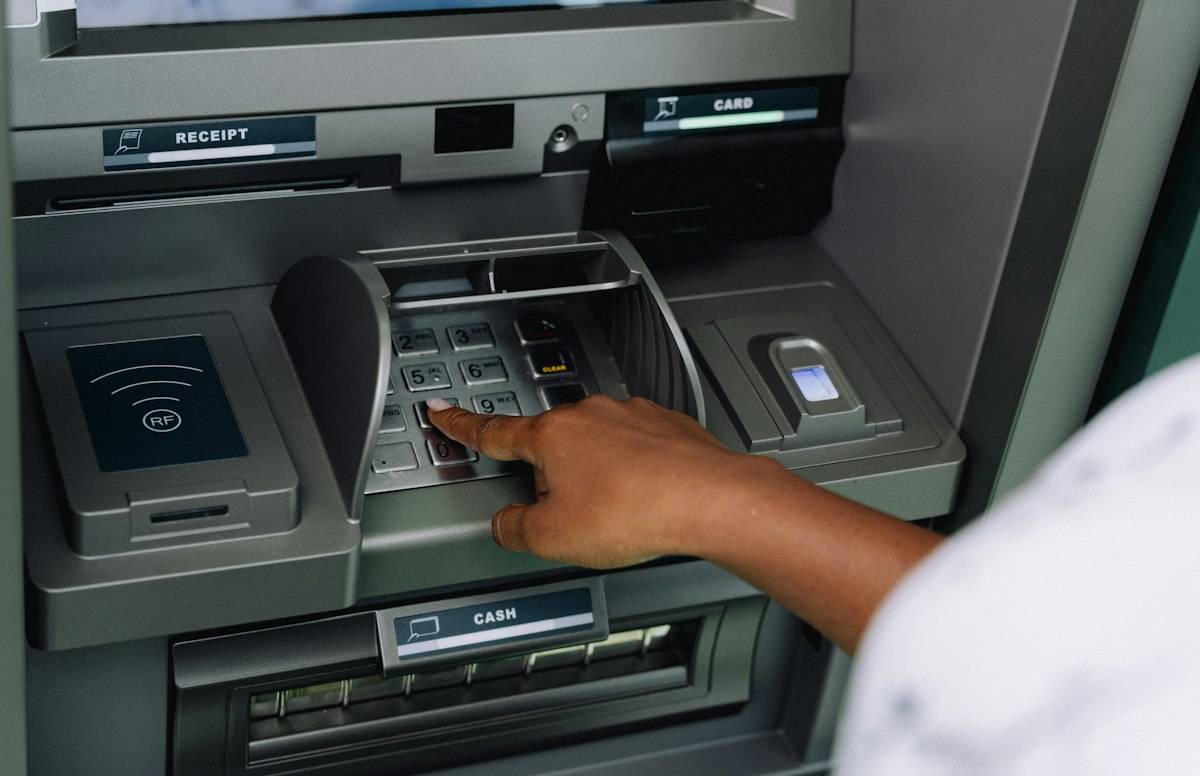
A few years ago, the agent with a PoS terminal was the bridge between cash and the banking system: withdrawals, transfers, bill payments, account opening — all through a person standing in a kiosk. Instant account-to-account transfers changed the mix. When anyone can move money phone-to-phone in seconds, the demand for cash-in and cash-out services shrinks, and the transactions left for agents are the thin-margin ones.
At the same time, Nigeria's macro environment punished any business built on physical infrastructure. TechCabal reports the naira lost roughly 129% of its value in 2024, falling to ₦1,479 to the dollar, while inflation hit 34.8% in December 2024. Every cost in the agent network — rent, devices, agent support, logistics — got more expensive in real terms while transaction margins got squeezed by competition among rival providers.
My take: this is not a story about one company's bad execution. It is a story about distribution models aging out. When the technology changes the channel, the channel's economics break — and no amount of "conviction and commitment" fixes them.
Three lessons for fintech and small businesses
1. Follow the transaction, not the channel. Baxi was built around the agent counter because, in 2021, the counter was where transactions happened. By 2026, the transactions had moved to phones. The companies that survive payment shifts are the ones that watch where money actually flows and rebuild distribution around that — not the ones defending yesterday's outlets. If you run an agency business today, diversify: agents who only do cash-in/cash-out are the most exposed to this shift.
2. Physical networks are brutally expensive in a devaluing currency. Inflation and a sliding naira turn every fixed cost into a moving target. Any business plan built on expanding physical footprint in that environment needs a margin model that survives currency pressure — or a digital-first alternative ready to take over.
3. Exits can be managed with dignity. Onafriq did several things right on the way out: it tried a sale first, it transitioned agents to another principal bank instead of abandoning them, it gave a 30-day window for fund transfers, and it stayed in Nigeria in lines of business that still work. In an industry where shutdowns often arrive as locked doors and frozen wallets, that matters for the next venture's reputation.
The bigger signal
It would be easy to read this as bad news for Nigerian fintech. I read it differently. The same week Baxi closed, Dangote Petroleum Refinery said its initial public offering has drawn subscriptions from investors in more than 90 countries, including 51 of Africa's 54 nations, and reported nine-month revenue of about $22.5 billion. Capital still believes in Nigeria's big industrial future.
What investors no longer believe in is distribution that fights the way people behave. Instant transfers won because they are faster, cheaper, and already in every pocket. The fintech opportunity in Nigeria has not shrunk — it has moved. The winners will be the businesses that build for the phone-first customer instead of renting kiosks to serve a cash-first world that no longer exists.
If you want to watch this shift debated in real time, Port Harcourt hosts OffChat Nxt next week, October 27–29, with a ₦30 million founder prize pool and over 100 speakers. The Startup Challenge organisers report that 53.5% of this year's 142 applicants already have early paying customers or recurring revenue — yet 66.2% have never raised external funding. That gap, between traction and capital, is where the next generation of Nigerian fintech will be argued about.
That is the evening's real headline: not that an agent network died, but what is replacing it — and whether your business is building for that.